Views: 1
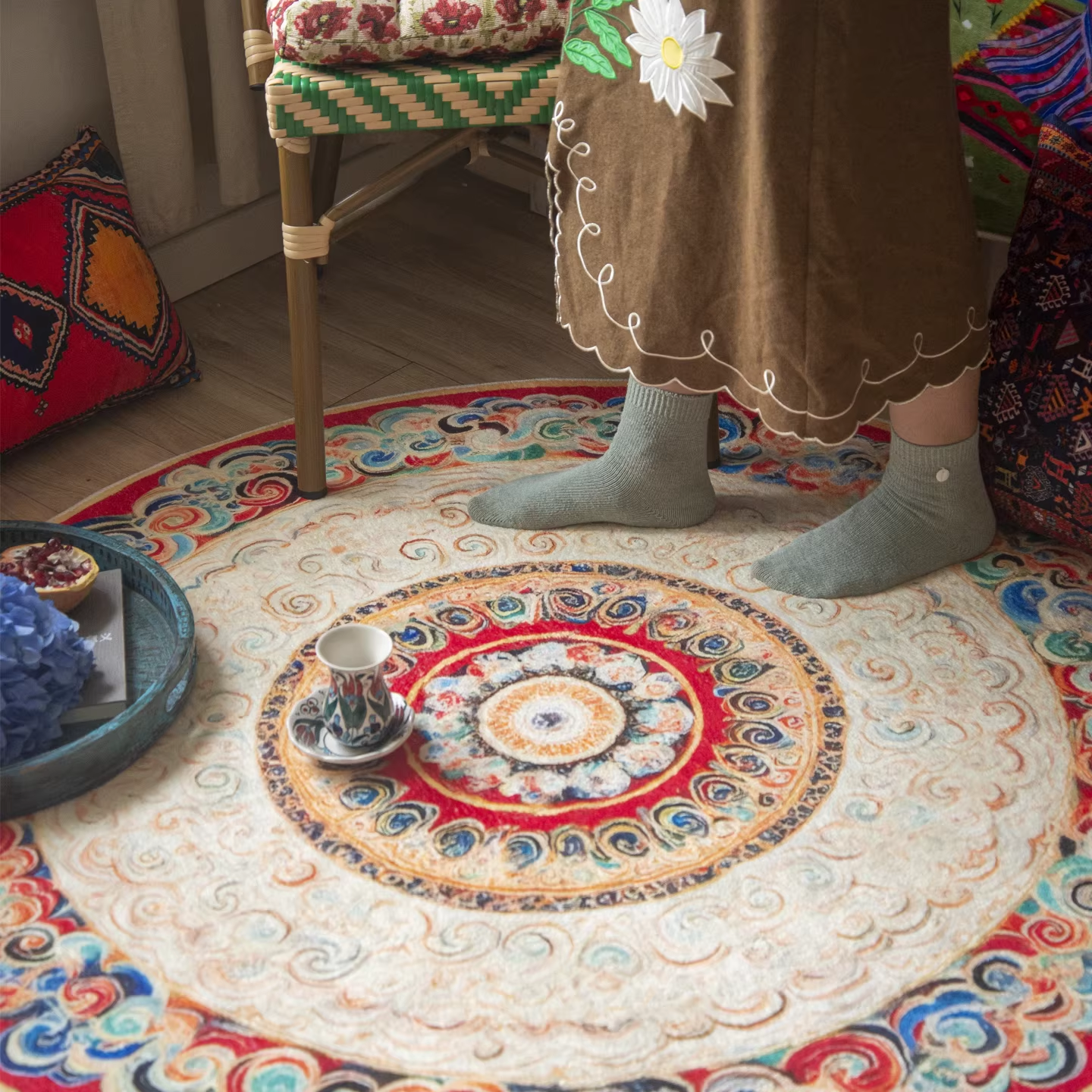
Regarding the question “Is Baluchi worth visiting?”, many people tend to confuse the connection between place names and culture. Baluchi (Balochistan) typically refers to the Baloch region spanning parts of Pakistan and Iran, renowned for its nomadic culture and rugged handwoven carpets.
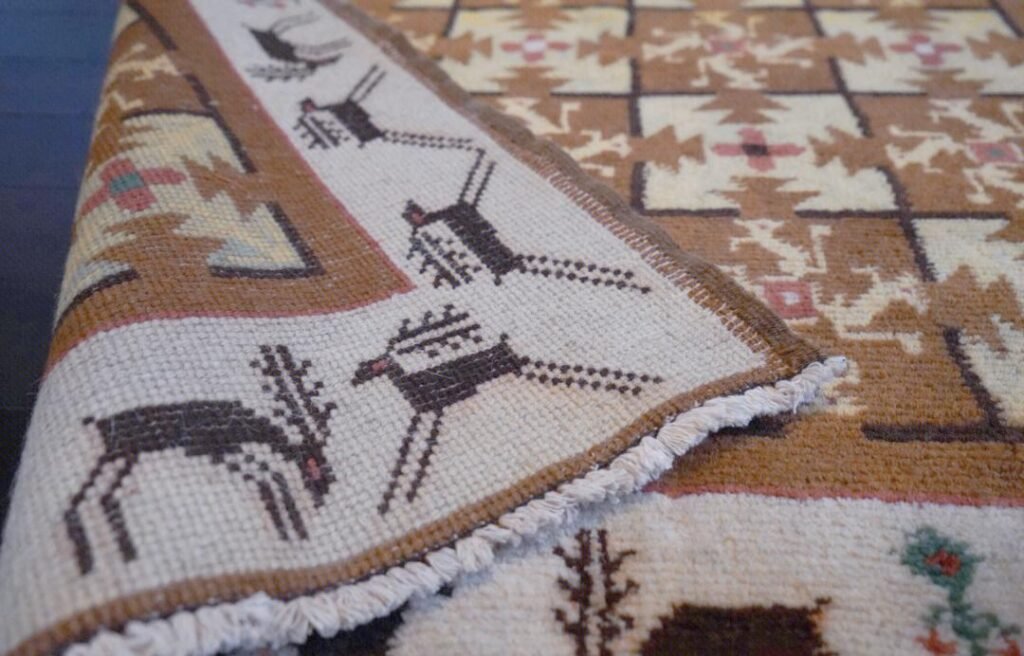
Baluch rugs are among the most mysterious and culturally rich tribal carpets in the world. Woven by nomadic tribes across Afghanistan, eastern Iran, and western Pakistan, these rugs carry centuries of tradition, symbolism, and survival stories in every knot.
Baluchi carpets feature exceptionally fine weaving, exceeding 100 knots per inch. A standard-sized carpet requires at least ten months to complete. Hand-knotting, plant-based dyes, and pure wool make these rugs not only visually stunning but also exceptionally durable.
Baluchi carpets transcend mere craftsmanship—they embody cultural heritage. Their stories and symbolism are woven into every thread and knot, resonating with each admirer who encounters them.
If you’re considering adding a Baluch rug to your home—or investing in one—this guide will walk you through their origins, materials, weaving techniques, design language, pricing factors, and how to identify an authentic piece.
1. Who Are the Baluch People?
The Baluch (or Baloch) people are a semi-nomadic ethnic group primarily living in:
- Southern Afghanistan
- Eastern Iran (Khorasan region)
- Western Pakistan (Balochistan)
Unlike urban Persian weaving centers, Baluch rugs were historically woven for personal use: prayer rugs, bedding, storage bags, and tent decorations. This functional origin explains their distinctive size, durability, and darker palette.
Baluch rugs are not “factory carpets.” They are tribal artifacts.
2. What Makes Baluch Rugs Unique?
2.1 Color Palette: Deep, Earthy, Mysterious
Baluch rugs are known for their rich, moody tones:
- Deep burgundy
- Rust red
- Midnight blue
- Dark brown
- Muted ivory highlights
Traditionally, natural vegetable dyes were used. Older pieces display beautiful abrash (intentional shade variation), which collectors highly value.
Unlike bright Persian city rugs, Baluch rugs feel intimate and atmospheric—ideal for modern minimalist or moody interiors.
2.2 Compact Size & Practical Format
Most Baluch rugs are:
- Small area rugs
- Prayer rugs
- Runners
- Saddle bags or tribal weavings
Typical sizes range from 2×3 ft to 4×6 ft. Large Baluch carpets are rare.
Because of their size, they work extremely well in:
- Entryways
- Layered rug styling
- Bedside placement
- Reading corners
- Office spaces
2.3 Knotting & Construction
Baluch rugs are typically:
- Hand-knotted
- Made with wool pile on wool or goat-hair foundation
- Woven using asymmetrical Persian knots
They often have:
- Dark brown wool warp
- Flatwoven kilim ends
- Soft but dense pile
Knot density is moderate compared to city rugs but sufficient for durability.
3. Traditional Motifs and Symbolism
Baluch designs are geometric, tribal, and highly symbolic.
Common motifs include:
Gul Patterns
Octagonal or diamond-shaped medallions repeated across the field.
Tree of Life (Prayer Rugs)
Common in Baluch prayer rugs, symbolizing spirituality and connection to heaven.
Mina Khani
Floral lattice pattern adapted into tribal interpretation.
Boteh (Paisley)
A recurring flame-like motif representing life and eternity.
Unlike formal Persian carpets from cities such as Tabriz or Isfahan, Baluch rugs favor bold repetition and strong geometry over elaborate curvilinear floral design.\
4. Natural Dyes vs Synthetic Dyes
Older Baluch rugs (pre-1950s) typically use:
- Madder root (reds)
- Indigo (blues)
- Walnut husk (browns)
- Pomegranate rind (yellows)
Later pieces may include synthetic dyes, which are brighter and less nuanced.
How to identify natural dyes:
- Soft color transitions (abrash)
- Slight irregularities
- No overly neon tones
Collectors often pay a premium for naturally dyed pieces.
5. How to Identify an Authentic Baluch Rug
When buying online or offline, look for:
✔ Handmade irregularity (not machine-perfect)
✔ Dark wool foundation
✔ Tribal geometric design
✔ Vegetable-dye tonal variation
✔ Wool pile (not synthetic fiber)
Be cautious of:
✘ Perfect symmetry
✘ Bright chemical reds
✘ Machine binding edges
Baluch rugs are rustic. If it looks too polished, it probably isn’t authentic.
6. Price Guide: What Should You Expect to Pay?
Pricing depends on:
- Age
- Condition
- Dye type
- Knot density
- Size
- Origin (Afghan vs Iranian Baluch)
Typical ranges:
- Modern Baluch rugs: $150–$600
- Semi-antique (40–70 years): $600–$2,000
- Antique pieces: $2,000+
Small prayer rugs with strong natural dyes can command collector prices.
7. Are Baluch Rugs a Good Investment?
From an investment perspective:
Pros:
- Limited production (tribal weaving declining)
- Strong collector niche
- Compact sizes = high liquidity
- Natural dye pieces appreciating
Cons:
- Not as globally recognized as major Persian city rugs
- Market liquidity depends on condition
They are excellent “entry-level tribal collectibles” with long-term cultural value.
8. Styling Baluch Rugs in Modern Interiors
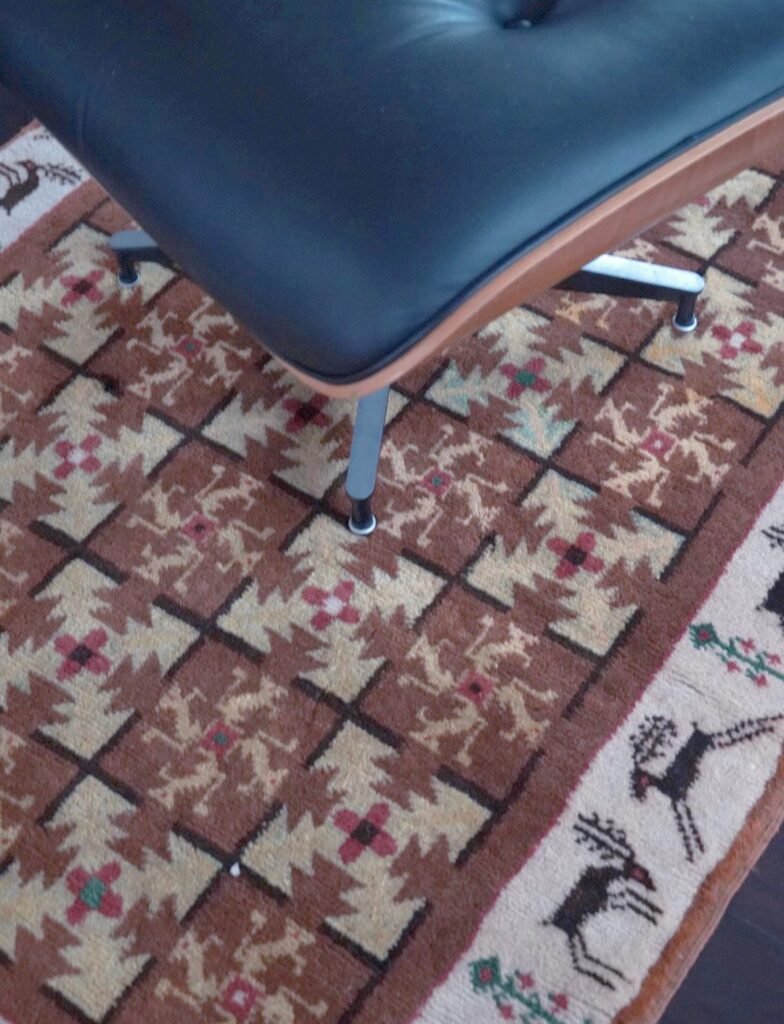
Baluch rugs work beautifully in:
Modern Minimalist Interiors
Their dark palette grounds neutral spaces.
Scandinavian Design
Adds warmth and depth to light wooden floors.
Bohemian Styling
Layer multiple tribal rugs for rich texture.
Luxury Offices
Small Baluch prayer rugs create refined character without overpowering space.
9. Caring for a Baluch Rug
Maintenance is simple:
- Vacuum lightly (no beater bar)
- Rotate every 6 months
- Avoid prolonged direct sunlight
- Professional wash every 3–5 years
Because of their dark colors, Baluch rugs hide wear better than lighter carpets.
10. Why Buy a Baluch Rug from baluch-rugs.com?
At baluch-rugs.com, we focus exclusively on authentic tribal Baluch rugs. Our collection emphasizes:
- Hand-selected pieces
- Natural dye authenticity
- Clear origin transparency
- Accurate sizing and detailed photography
Each rug tells a story of craftsmanship, migration, and heritage.
If you are looking for a rug that feels soulful rather than mass-produced, Baluch rugs offer unmatched character.
Final Thoughts
Baluch rugs are not just floor coverings—they are cultural artifacts woven by nomadic hands across generations.
Their deep colors, geometric symbolism, and tactile wool textures make them uniquely suited for both collectors and interior designers seeking authenticity.
If you value craftsmanship over perfection and heritage over trend, a Baluch rug may be the perfect addition to your home.
Leave a Reply